


Let’s Talk About the Real Reason Energy Costs for Pennsylvanians Remain High
Despite what you’ve been told, Pennsylvania-based electric utilities and our electric grid operator, PJM Interconnection, are not solely to blame for rising electric costs. There are two main reasons your electric bills continue to rise:
- Aggressive blue state climate policies, including Pennsylvania under two successive Democratic governors
- Governor Shapiro’s PJM-wide Electric Capacity Price Cap
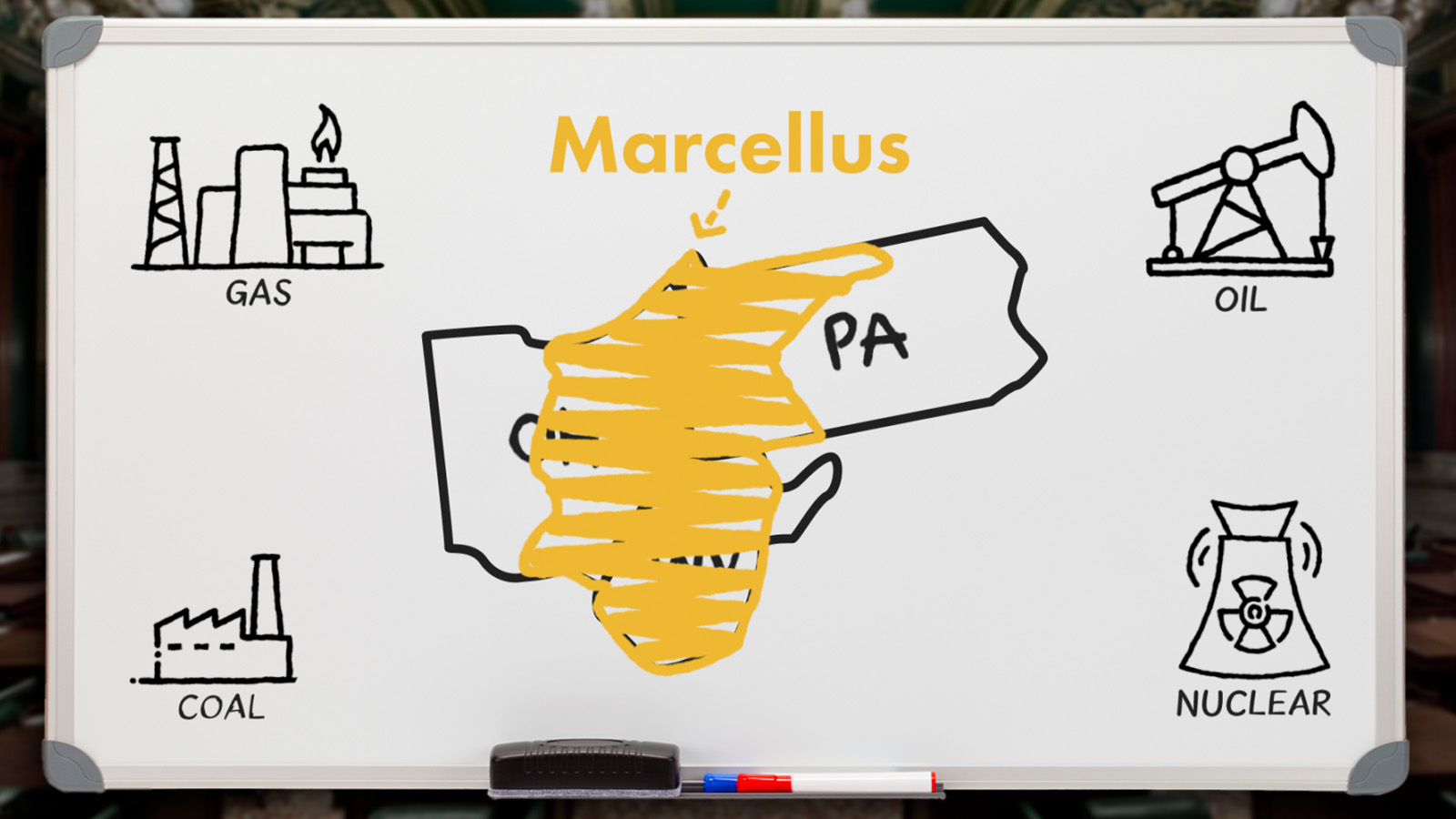
Pennsylvania is the top state in the nation for net electricity exports and is the power hub for the PJM power grid, which means PJM states like Maryland, Virginia and New Jersey rely on Pennsylvania to keep their lights on and air conditionings running. Other states, like West Virginia and Ohio, produce enough energy on their own – thanks to their embrace of natural gas found in the Marcellus Shale region.
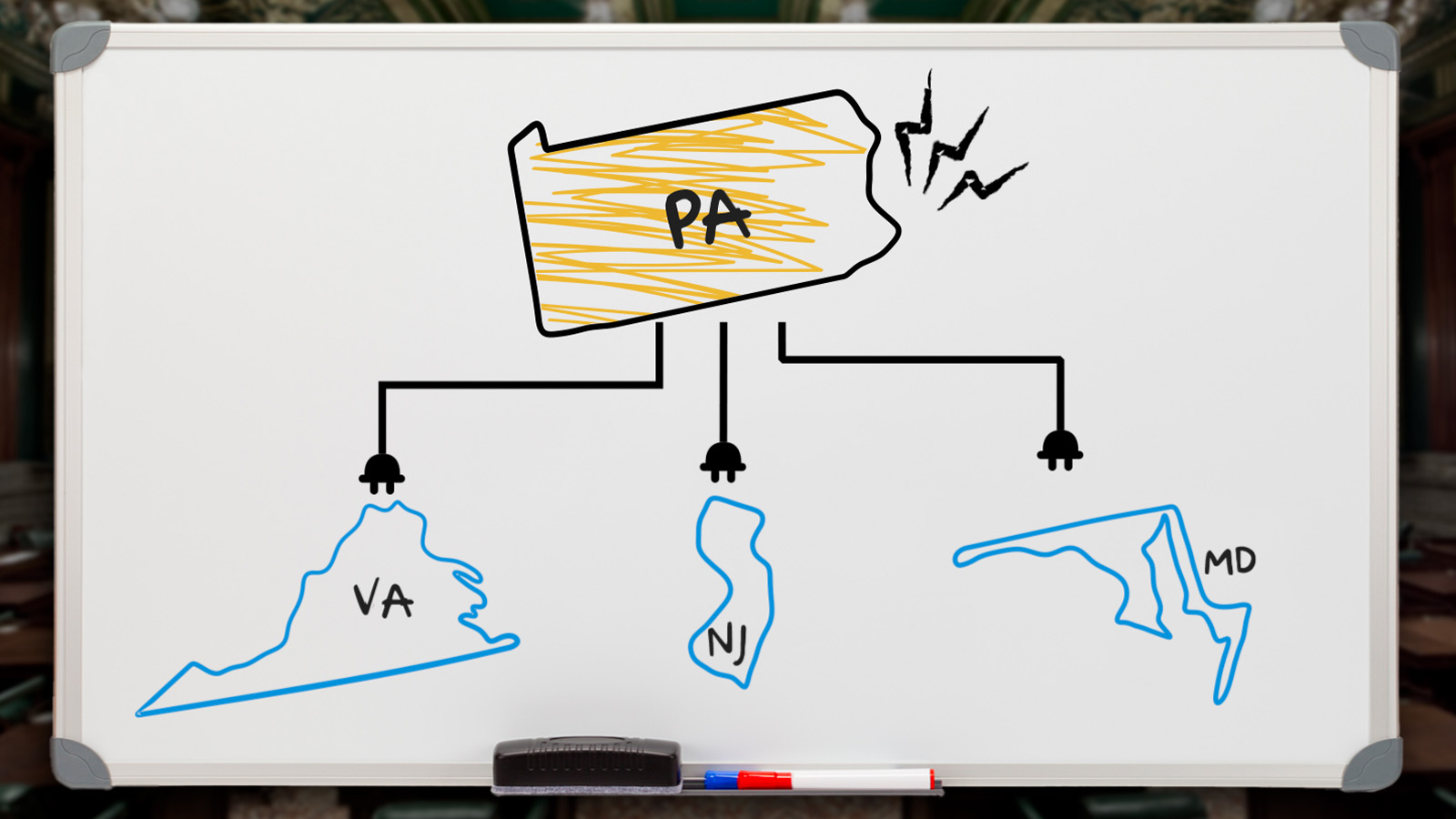
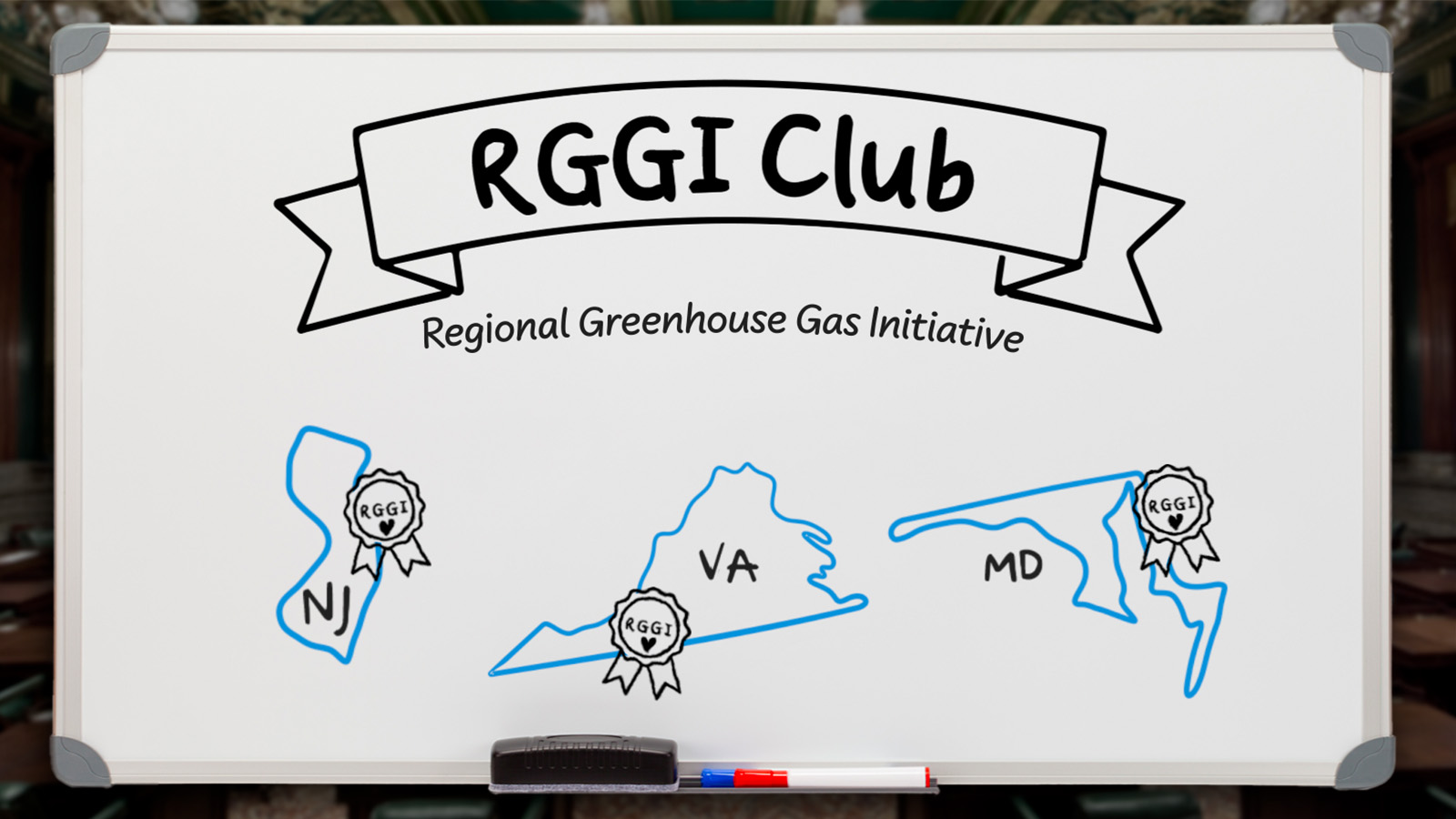
Unfortunately, decisions made in the other PJM states directly affect Pennsylvania. While blue states like Maryland, Virginia and New Jersey are unable to produce enough baseload energy for their states, they also continue to pursue aggressive “net zero” climate policies including the RGGI Carbon Tax. Pennsylvania, under two Democratic governors, also contributed to these pressures through support for RGGI-style polices and the PJM price cap. The result is higher electric costs for Pennsylvania ratepayers even though Pennsylvania remains an energy powerhouse.
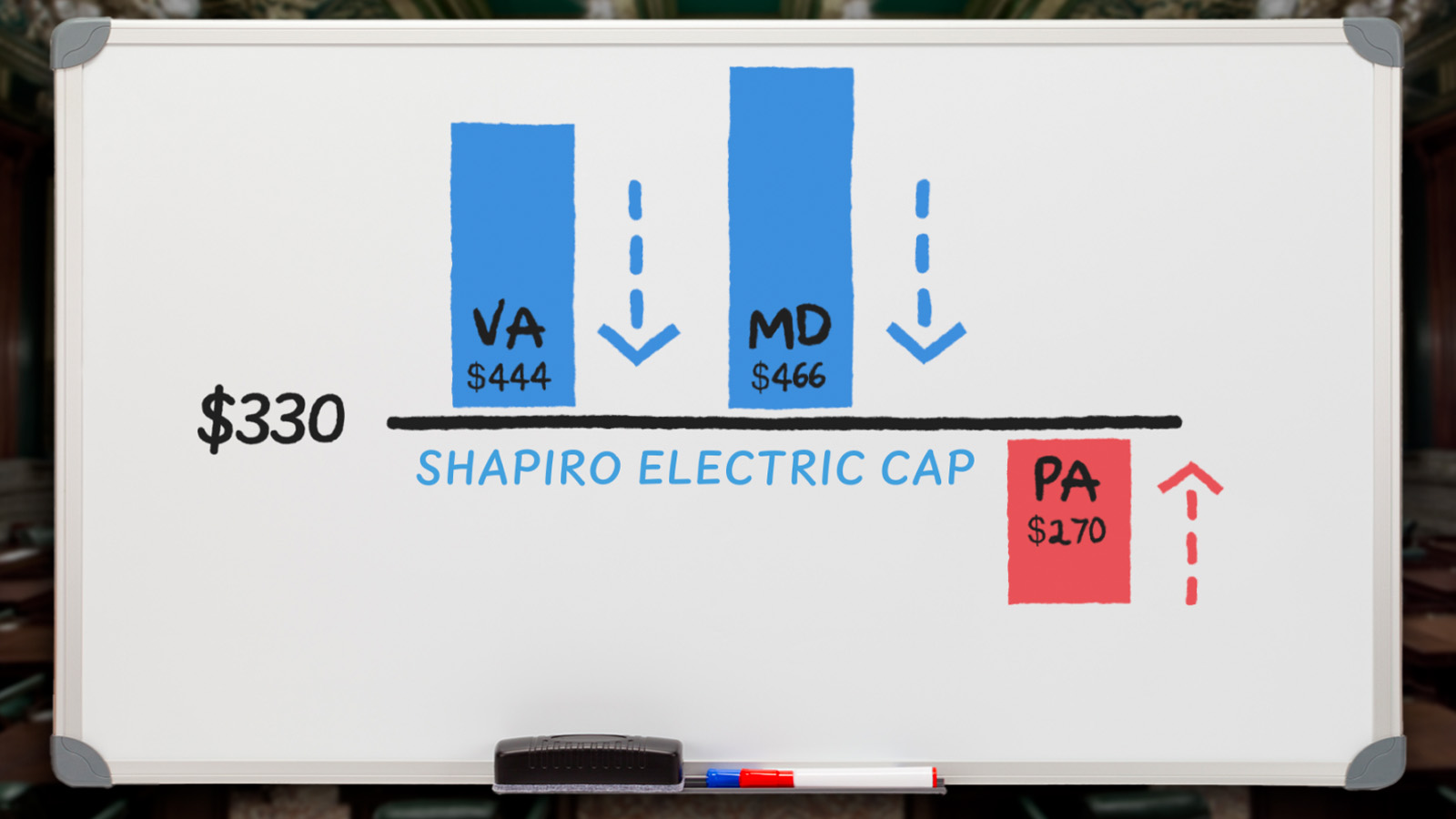
But that’s not all! Pennsylvania’s Gov. Shapiro filed a complaint with the Federal Energy Regulatory Commission (FERC) which resulted in a settlement that capped electric capacity rates at $330 per megawatt-day for all member states within PJM. The Shapiro Electric Price Cap triggered a $60 increase for Pennsylvania ratepayers while reducing costs by $146 for Maryland and $124 for Virginia, both of which generate far less electricity than they consume. (Here’s a great background piece prepared by the Congressional Research Service, a nonpartisan Congressional office.)
It simply doesn’t make sense that Pennsylvania ratepayers are forced to pay more for energy prices while less energy-abundant states continue to drain Pennsylvania power, pay less and continue advancing aggressive climate policies that discourage new energy development and force existing facilities to close. That’s socialized energy.
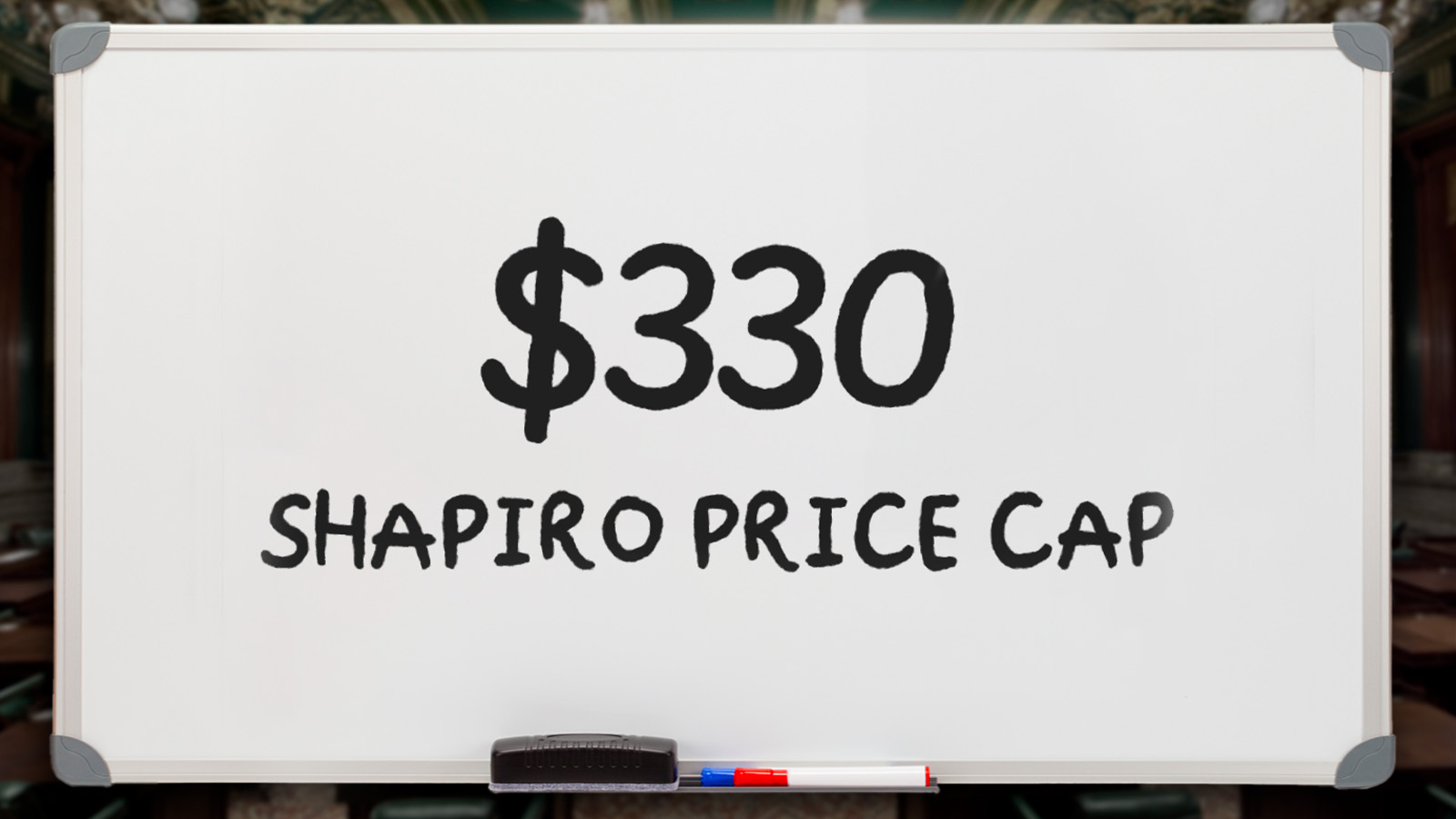
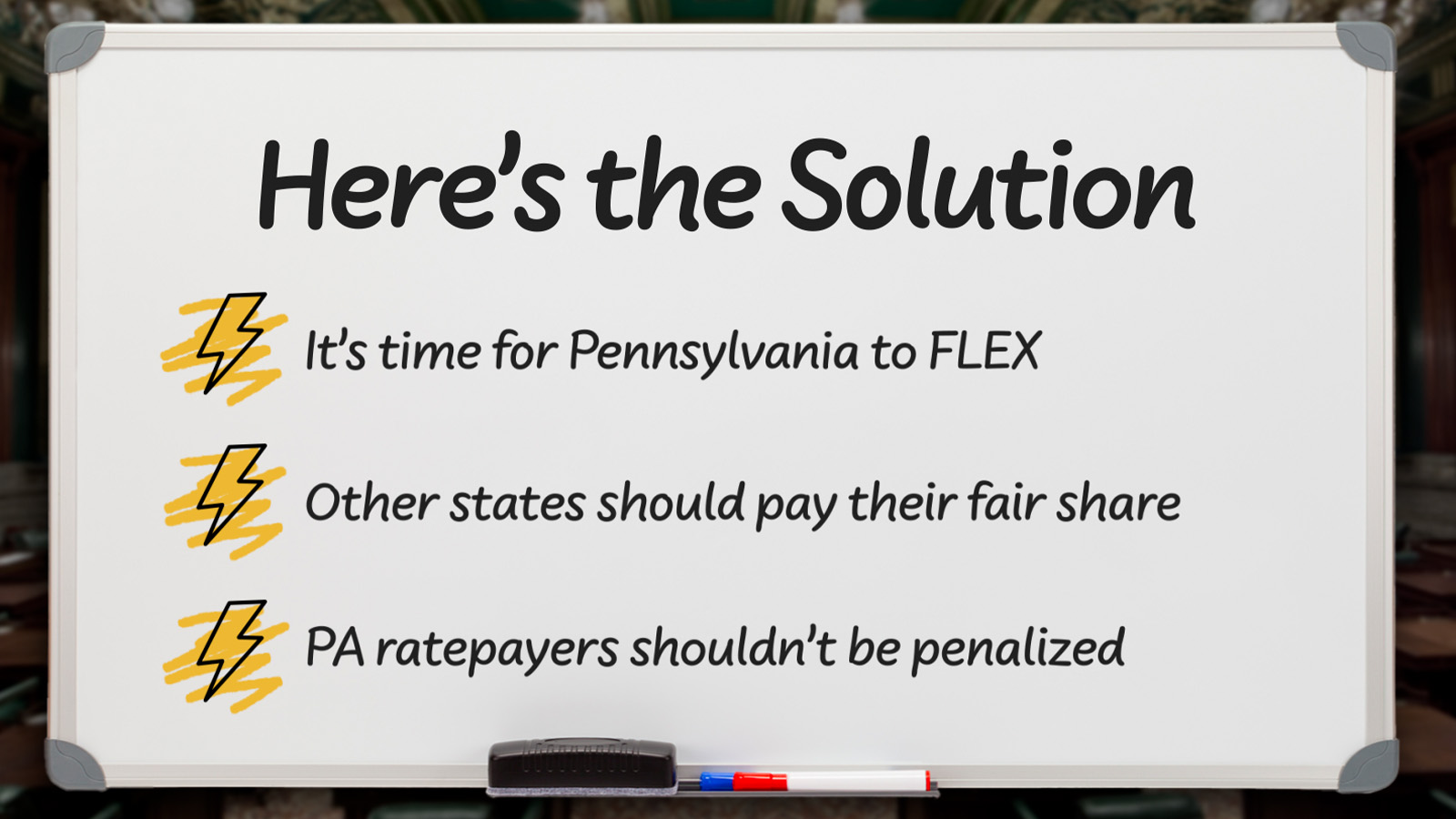
It’s time to put Pennsylvania first! Pennsylvania ratepayers should not be penalized for producing the energy the region depends on. Instead, Pennsylvania needs to FLEX by holding PJM partner states accountable and ensuring they pay their fair share. It’s time to stop allowing blues states in PJM to blame the grid or utilities while advancing polices that drive up costs for hardworking Pennsylvanians.
What is PJM?
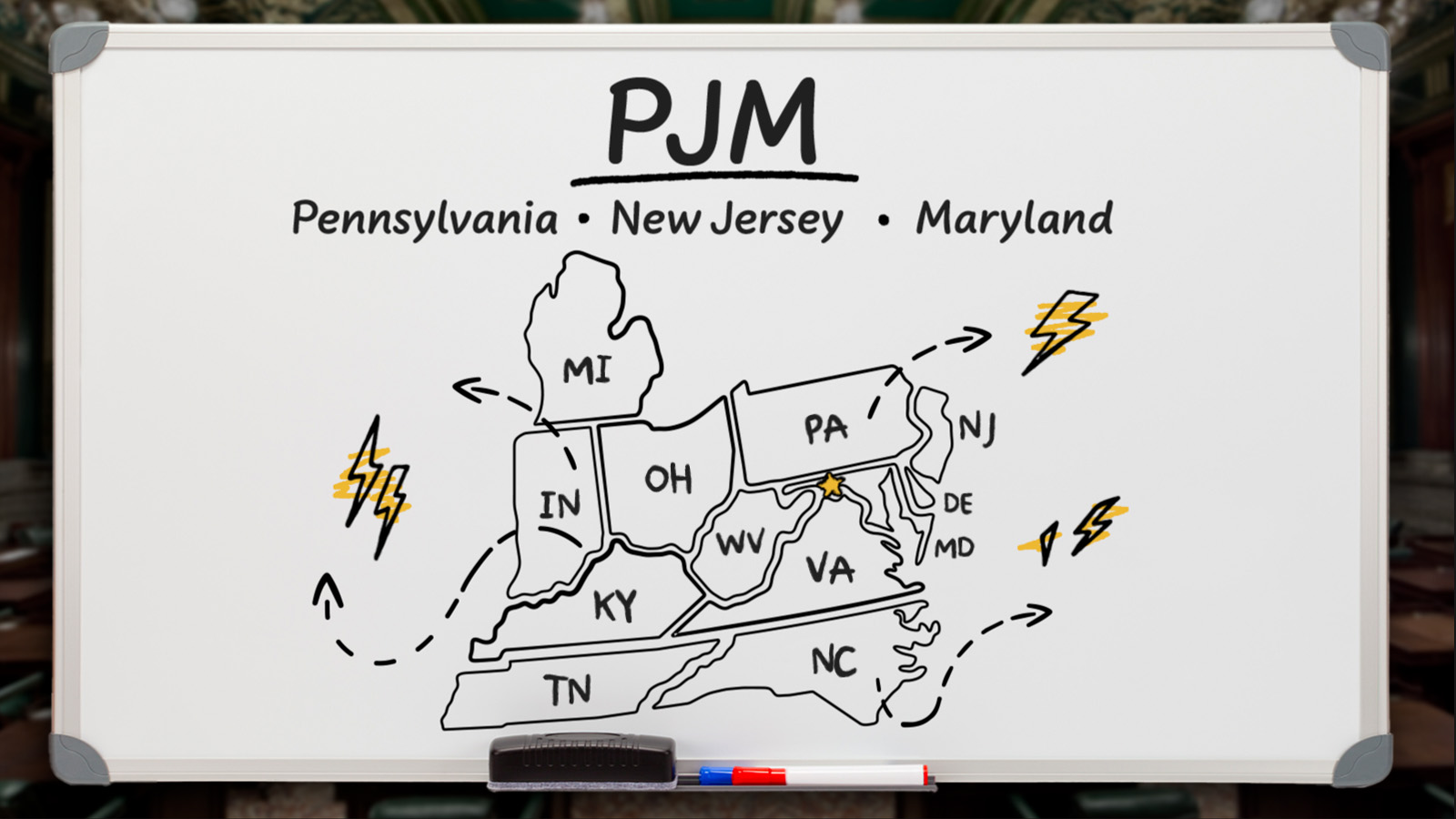
PJM Interconnection operates the electric power grid and wholesale electricity markets across 13 states and the District of Columbia, serving more than 65 million people. It coordinates the flow of electricity from power plants to utility companies, which then deliver it to homes and businesses across the region.
How Much Energy Does Pennsylvania Create?
Fortunately for us, Pennsylvania leads the nation in net electricity exports. The Commonwealth’s strong energy portfolio positions the Keystone State as an energy powerhouse and the energy hub for all of the states that make up the PJM power grid.
The Data Doesn’t Lie
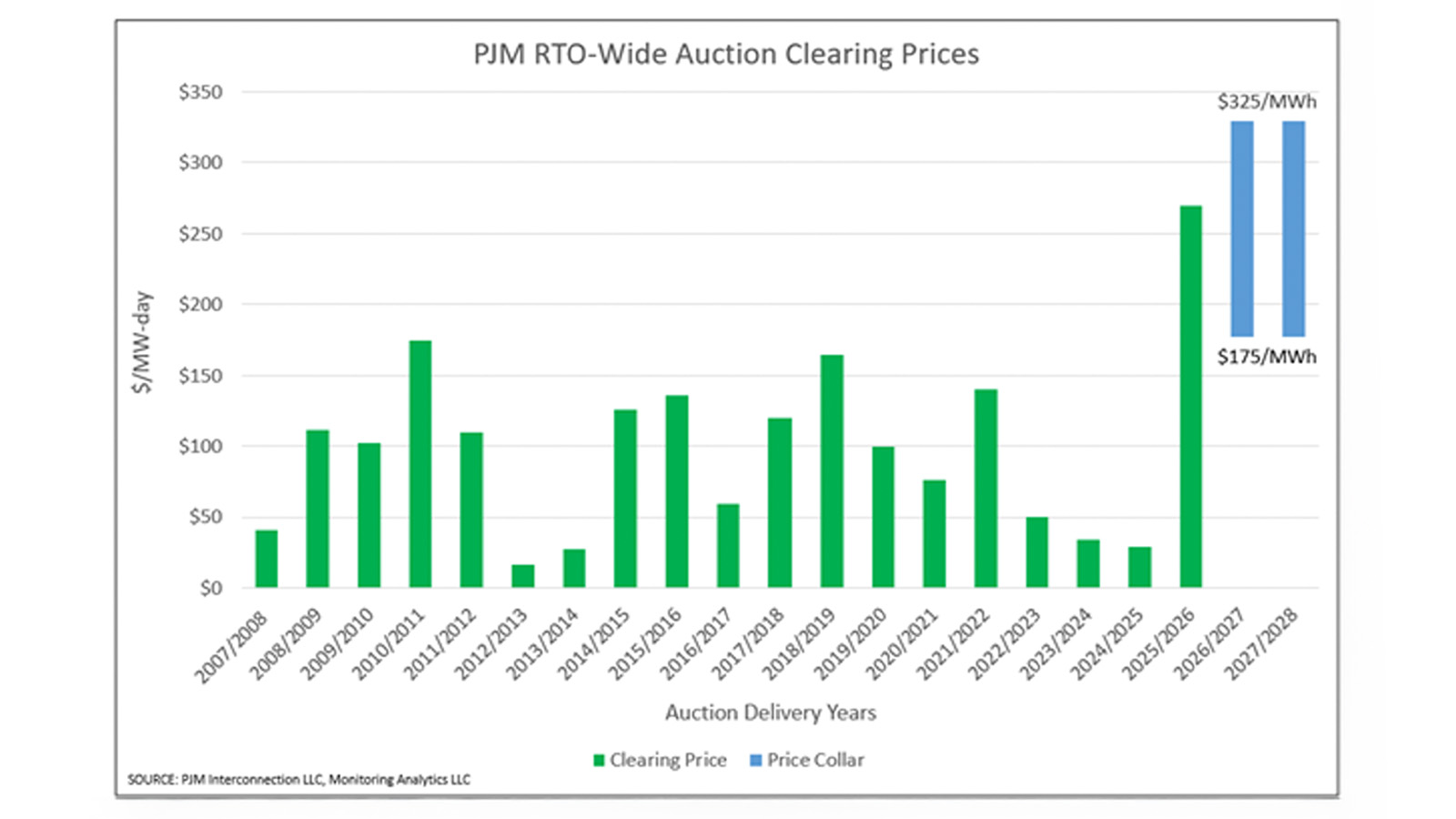
For years, PJM capacity auction prices were often well below $150 per megawatt-day and, in some years, significantly lower. However, in the 2025/26 auction, prices rose sharply to nearly $270 per megawatt-day across most of the RTO due to tightening supply, rapid demand growth, and changes in PJM’s market rules.
Governor Shapiro’s PJM-wide price cap forced Pennsylvania ratepayers to pay MORE so that Maryland and Virginia could pay LESS. While blue states like Maryland and Virginia pursue reckless net-zero policies that block new reliable generation and attract massive new demand, the uniform cap has shifted costs onto Pennsylvania families and businesses. The result is a system where our state subsidizes the consequences of other states’ failed energy policies.
PJM Interconnection’s price collars for the next two capacity auctions guarantees RTO-wide clearing prices will be above the historical average.
So What Should Pennsylvania Do?
Right now, Pennsylvania is exporting energy to other states and we’re paying more than our fair share. Pennsylvania families and businesses should not be paying higher prices to subsidize other states’ reckless climate policy decisions.
This is a form of socialized energy distribution and cross-subsidization at the expense of our Pennsylvania ratepayers and energy jobs, Pennsylvania produced it, and other states take it, and Pennsylvanians pay more for it.
If we want lower electricity rates and to reduce the chances of blackouts and brownouts, we have to hold the other PJM states accountable for their decisions instead of allowing them to drain our energy opportunities. Pennsylvania should embrace and expand its workhorse role within PJM while requiring other states to do their fair share or pay more to help keep the PJM grid viable.
It’s time for Pennsylvania to FLEX its power as the keystone of the PJM grid.